
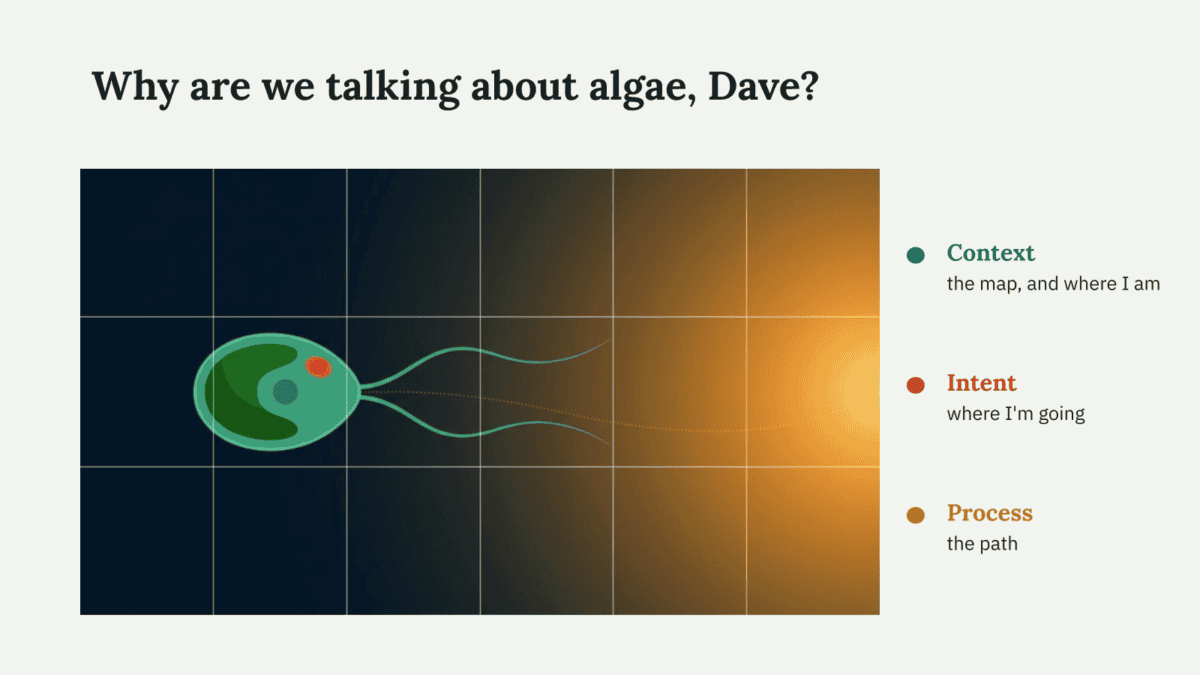
I gave this talk at DevFest in Faro today. Forty-five minutes on how I’ve come to think about building intelligent systems, and how I built mine. Slides are at the bottom.
Start with one cell
I’m a zoologist, so I started with a question: what’s the smallest thing that perceives, decides and acts?
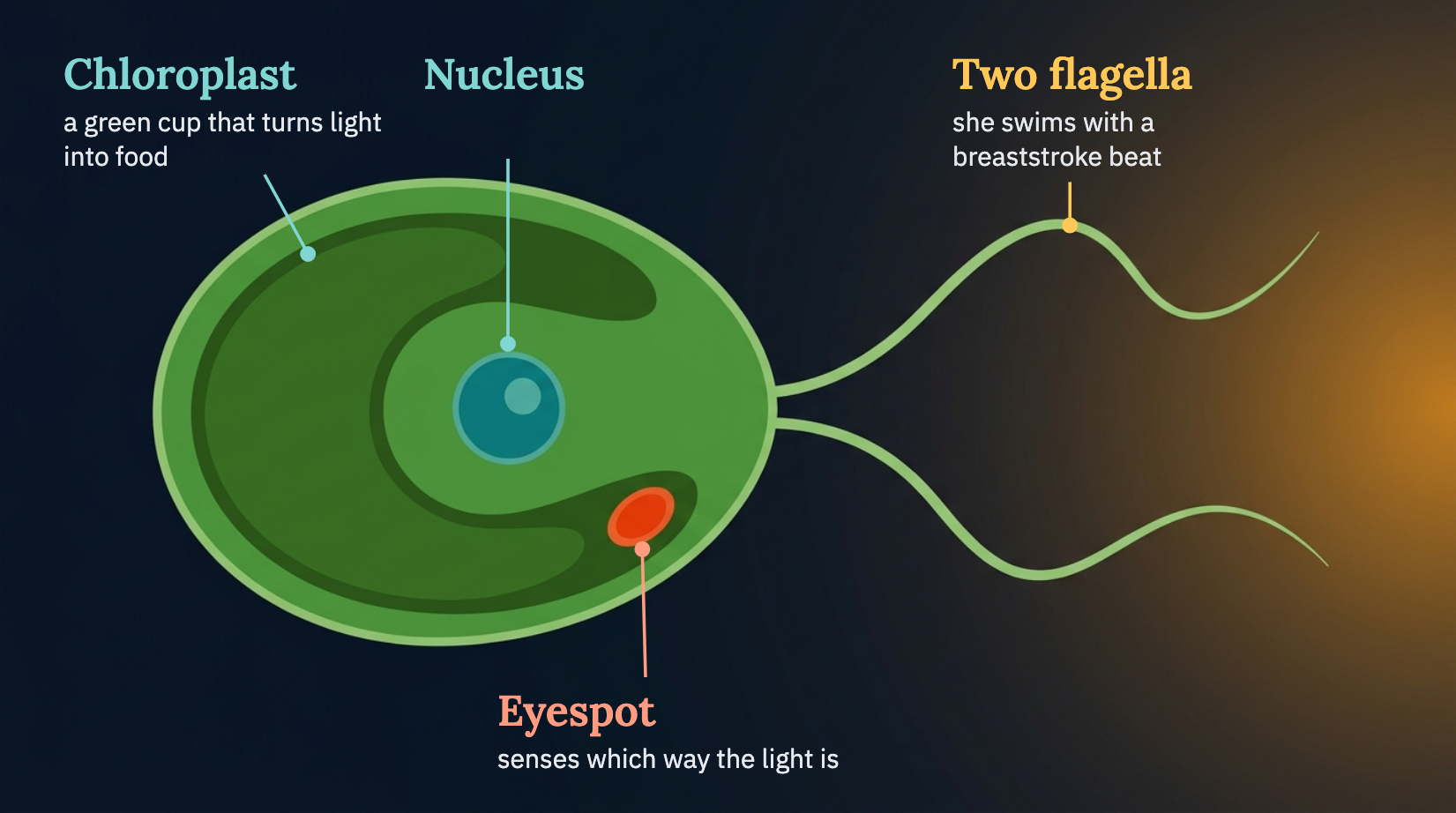
My answer is Clammy, short for Chlamydomonas, a single-celled alga. She has an eyespot that senses light, and she steers towards it by beating one flagellum harder than the other. No brain, no nerves. Sense, decide, act, in one cell.
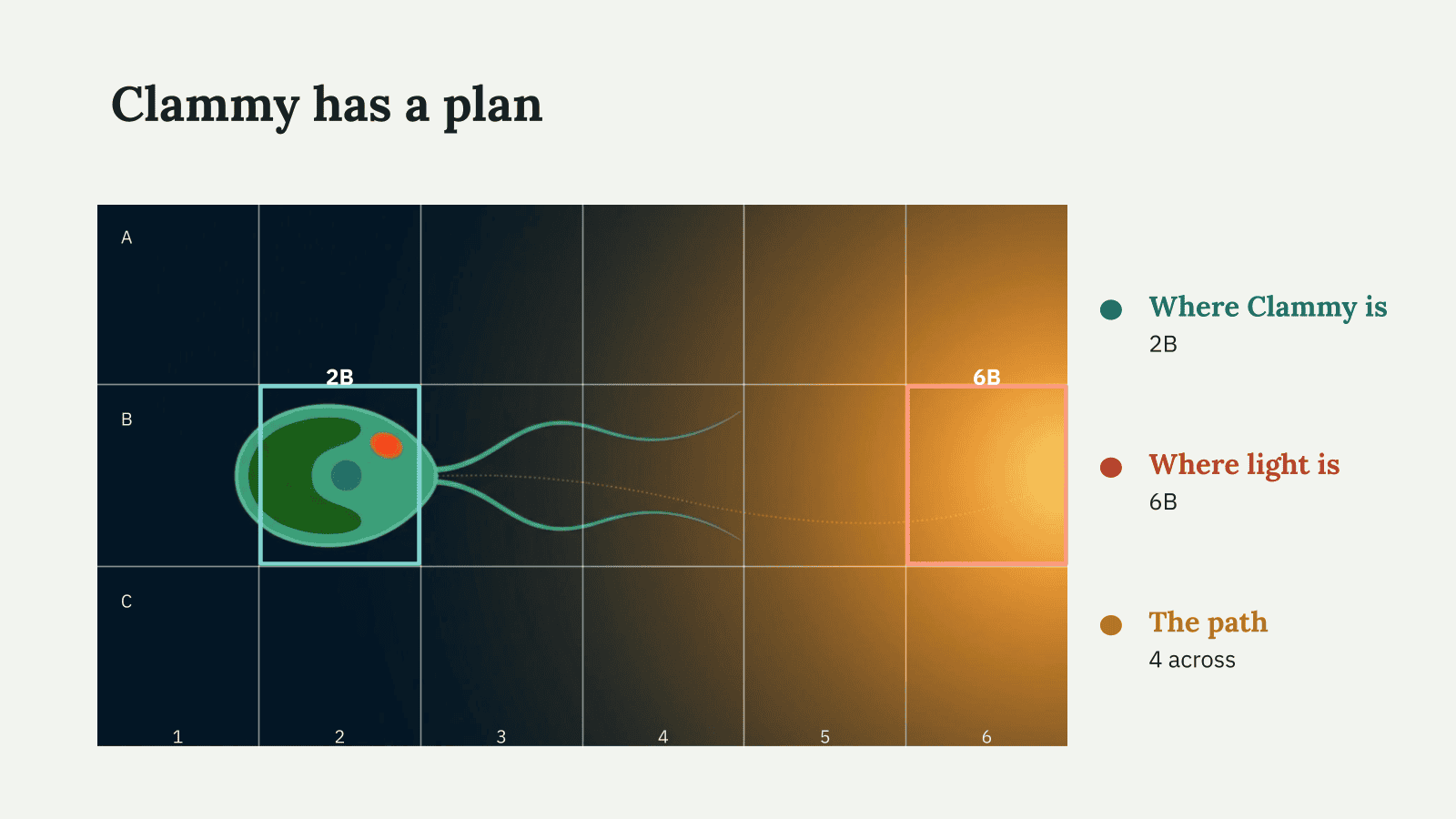
Give her a map and she can say where she is and where the light is. That’s three things: where she is, where she’s going, and the path between.
Three words
Those three things became the whole talk.
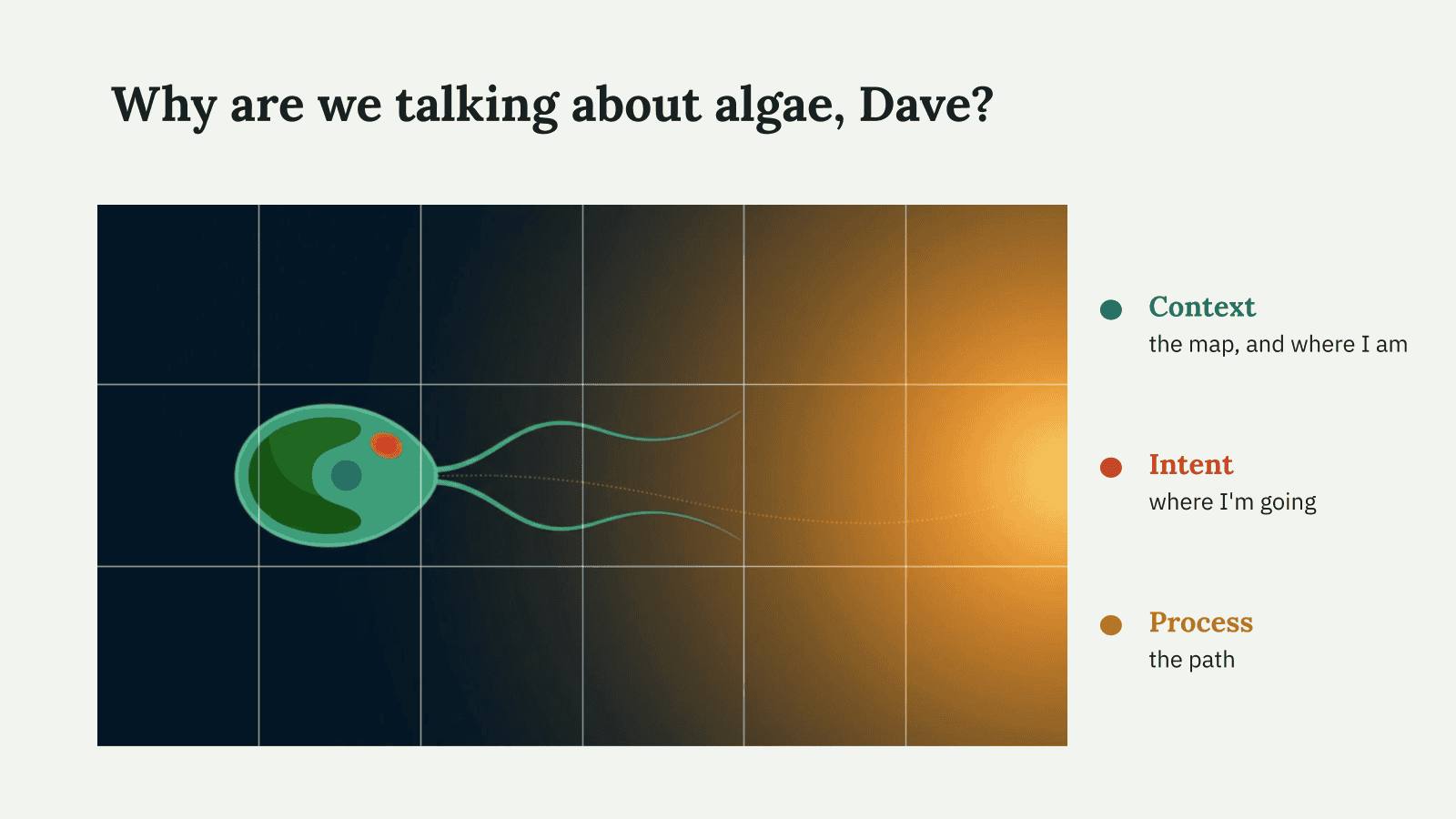
- Context is the map, and where you are.
- Intent is where you’re going.
- Process is the path from here to there.
Jeff Hawkins thinks brains use this same pattern, and that it stretches from places to tasks and ideas. That’s his hypothesis, not settled science, but it’s a handy way to look at any agent.
Process: the toaster
A process is just something that happened. Bread in, toast out.
A watchdog watches for the sad path, which is the toaster burning the toast. And the watchdog needs watching too, because the failure nobody notices is the one that goes silent.
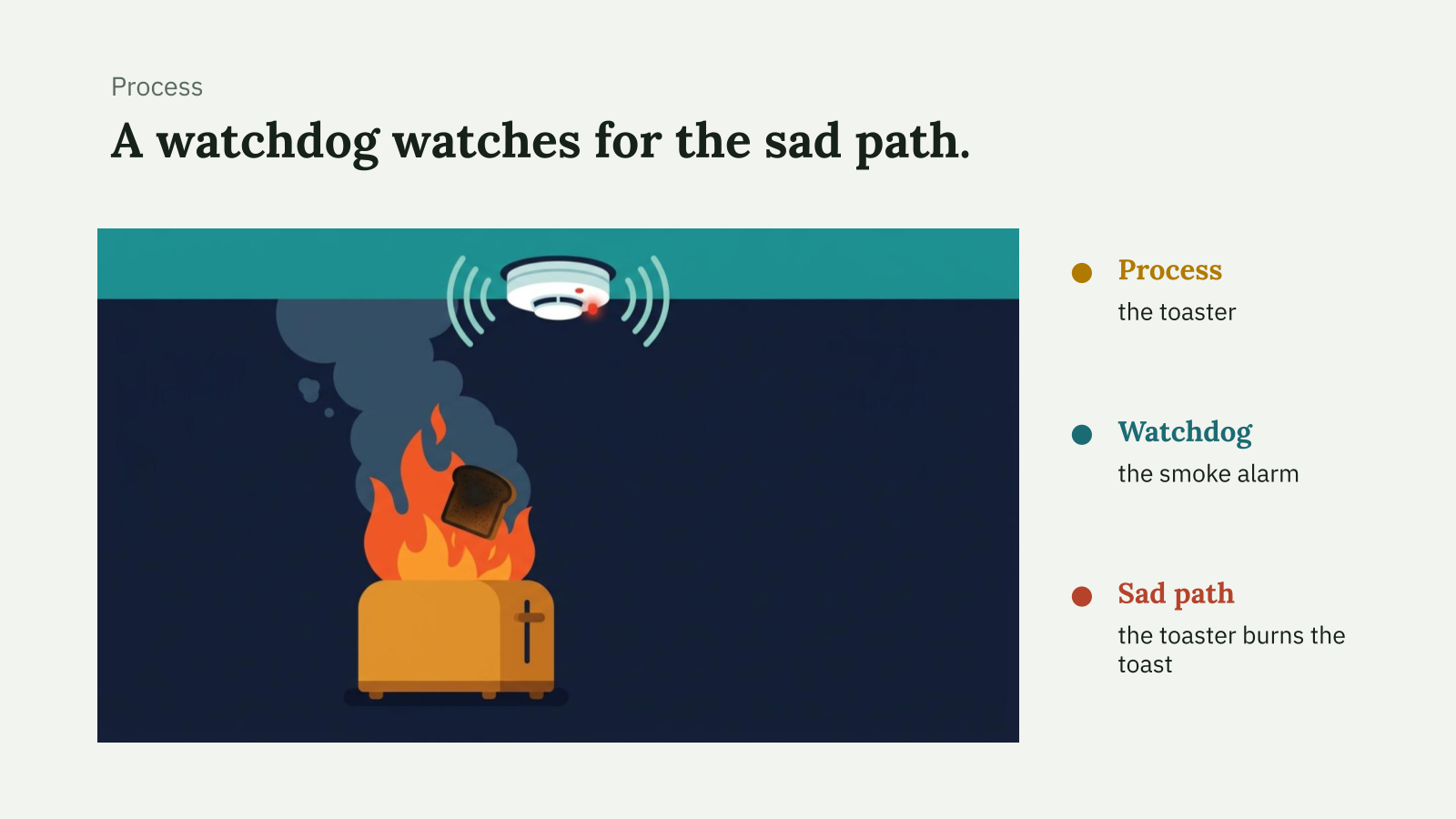
I run a Process Boss for that. It checks every scheduled job on my Mac mini has code, a doc, a watchdog and a known failure mode. I stood it up on the morning of the talk, and its first sweep found 14 jobs I hadn’t documented, one dead job, and a boss that wasn’t registered.
Intent is the hard one
Until now, answers were the scarce thing. Now we have infinite answer machines, so the constraint is the question. What do you want to do? What will make your outcome different from the average of the internet?
The best answer I have is that it’s deep, personal work: learning to recognise what you want, authentically.
Hawkins helps here too. The old brain wants, and the neocortex works out how. AI is a new new brain on top of that. With an agent, the wanting is still the old brain’s job, and that’s you.
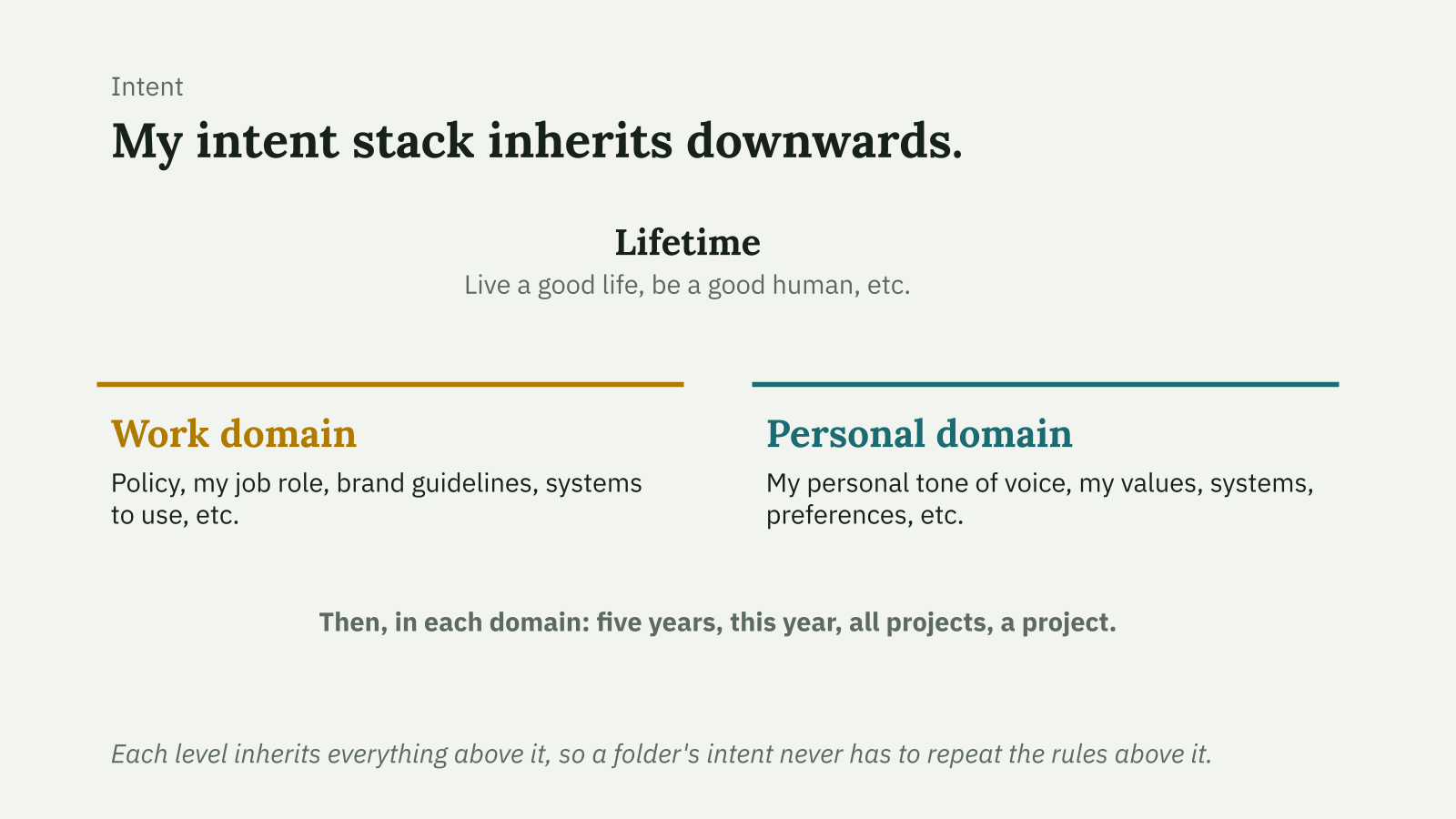
I write mine down as a stack: lifetime, five years, this year, active work, a project. Each level inherits the ones above it, and a work domain sits alongside my personal one with its own rules, like policy and brand guidelines. In every folder an intent.md only has to say what’s different about that project.
How mine is built
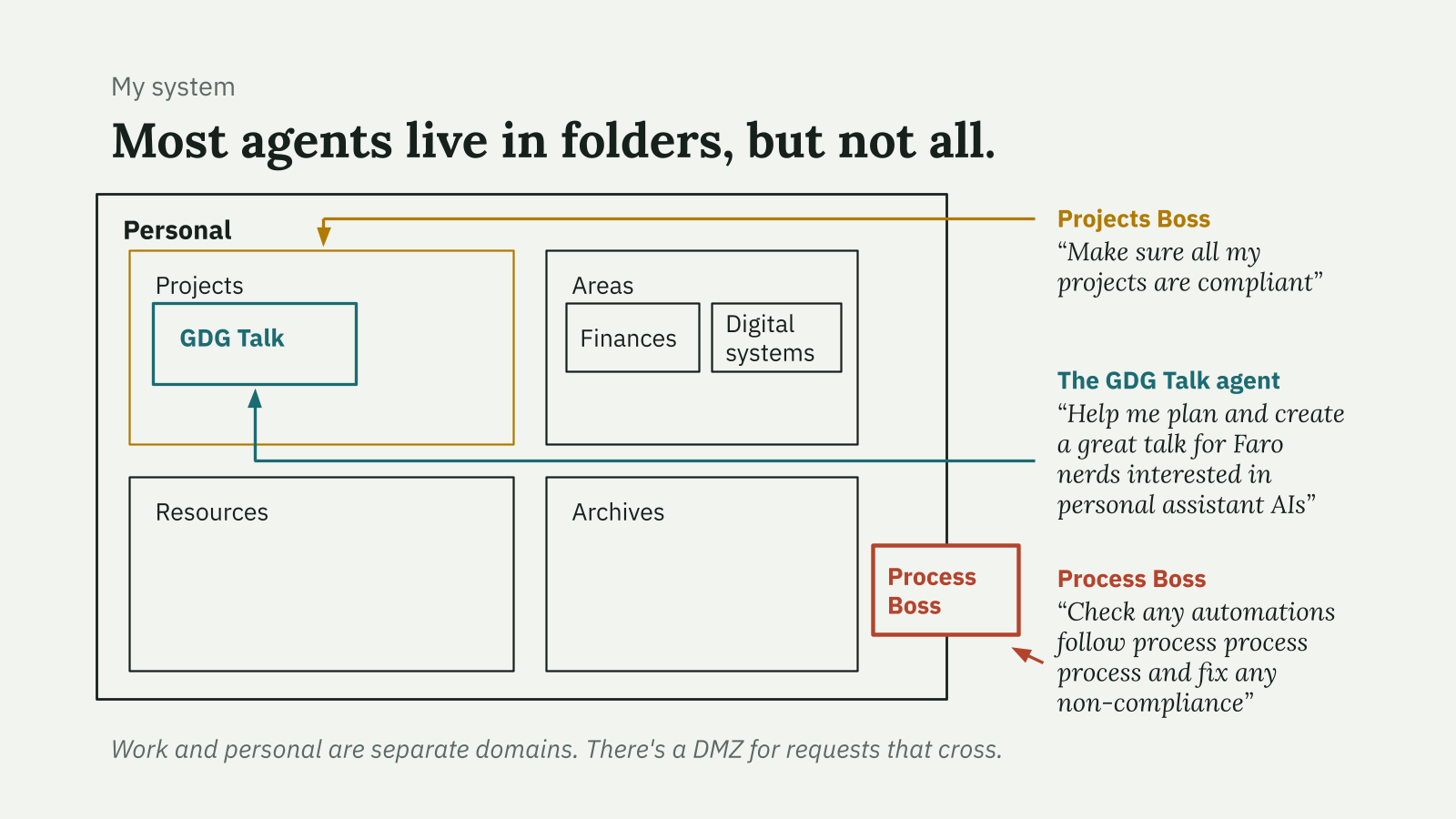
A Discord channel is one thing I want. It maps to a folder that holds everything about it. An agent starts in that folder and does the work, and evals and a watchdog tell me when it goes wrong. My corrections go back in, and they’re the test set.
Most agents live in a folder. The boss agents look across: Projects Boss checks every project still matches its intent, and Process Boss checks the processes.
Four things to try next week
- Pick one thing, a project or an area, and write one line of intent for it.
- Define the happy and sad paths.
- Decide what “pain” looks like: the alert that tells you it’s broken.
- Give it some agency: let it do one small thing without asking.
I’ll end where I ended the talk: compounding our capabilities means understanding ourselves.
Thanks to the GDG Faro team for having me.